
Following a healthy eating plan high in fibre (fiber) is a recommendation many of us hear frequently throughout the year. But why? And does this apply to a bariatric surgery patient? There are plenty of reasons to include fibre-rich foods in your healthy eating plan – below are a few of them, plus how much fibre you need and how to fit it in.
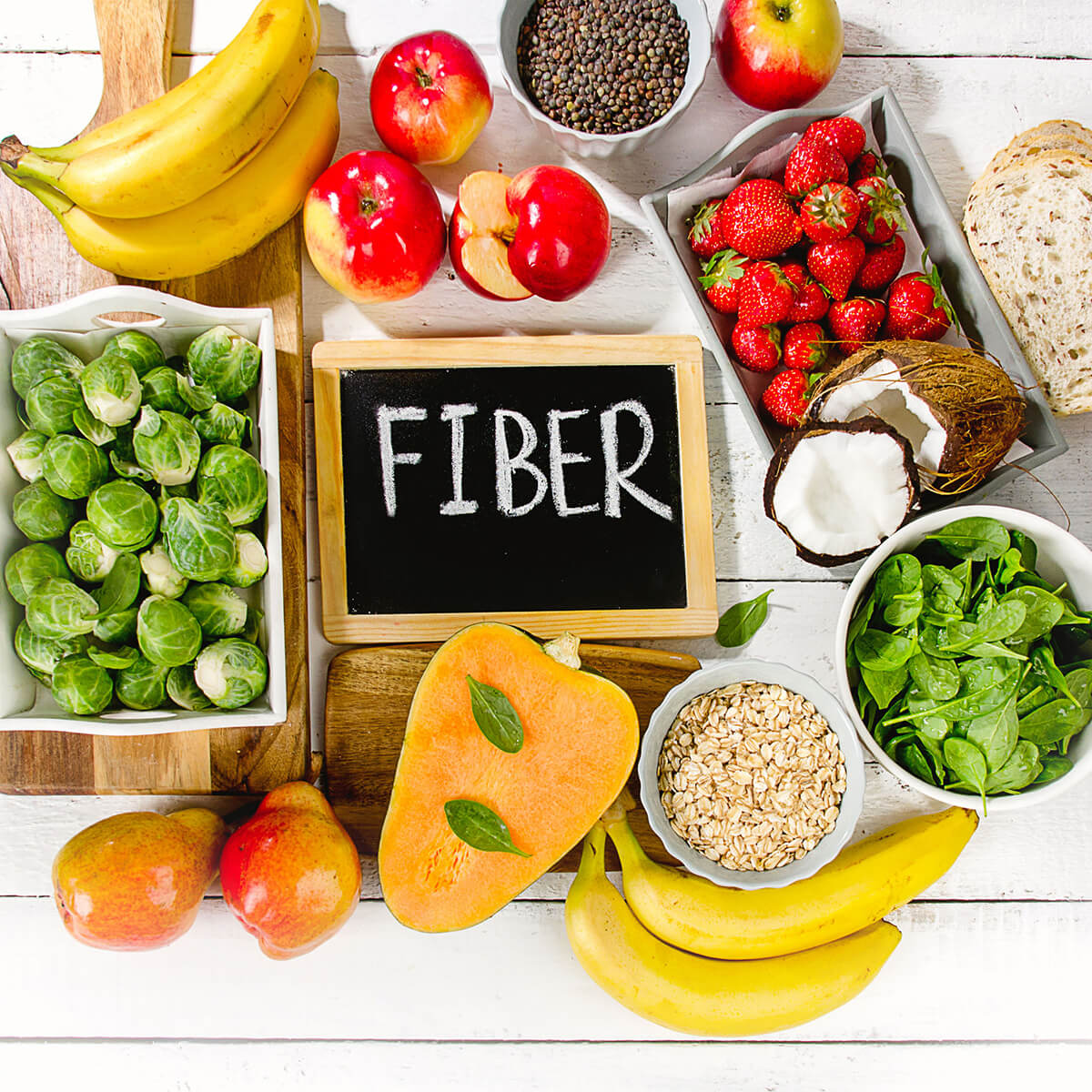
Key takeaways
- High-fibre foods take longer to chew and digest, which can help you feel full for longer.
- General recommendations are 25 g (women) and 38 g (men) per day aged 19–50, or 14 g per 1,000 calories – the latter may suit bariatric patients best.
- Increase fibre gradually over a few weeks and drink plenty of water.
- Always speak to your bariatric surgeon and/or dietitian before changing your eating plan.
Fibre aids in weight loss
High-fibre foods typically require more chewing. This slows your pace of eating and gives your body time to realise how full you really are, helping to prevent overeating. High-fibre foods also take longer to break down in the digestive system, which makes you feel full for longer. They may also contain fewer calories than similar volumes of foods that are not high in fibre, which assists in maintaining your weight.
Fibre helps regulate cholesterol
Soluble fibre, the kind found in beans, oats, flaxseed and oat bran, may help lower total blood cholesterol levels by lowering low-density lipoprotein (LDL) cholesterol levels. Many bariatric surgery patients had high cholesterol before surgery, and including fibre-rich foods is another way to help decrease cholesterol levels.
Controls blood sugar levels
Soluble fibre in particular can slow the absorption of sugar, which, for people with diabetes, can help improve blood sugar levels. Consuming foods high in fibre may also reduce the risk of developing type 2 diabetes. Many bariatric surgery patients had type 2 diabetes before surgery, and including fibre-rich foods is beneficial for controlling blood sugar levels. While bariatric surgery may resolve type 2 diabetes in many patients, adding fibre-rich foods can further reduce the risk of developing type 2 diabetes or of it recurring after surgery.
Prevents constipation
Dietary fibre increases the weight and size of your stool and softens it. A bulky stool is easier to pass, decreasing your chance of constipation. If you have loose, watery stools, fibre may also help to solidify the stool, because it absorbs water and adds bulk.
Eating fibre-rich foods can be very beneficial, but be careful not to add too much fibre too quickly: this can cause intestinal gas, abdominal bloating and cramping. Experts recommend adding fibre gradually over a few weeks, which allows the natural bacteria in your digestive system to adjust. Drink plenty of water while increasing your fibre intake – without sufficient fluid, you may experience constipation.
How much fibre per day?
The US Institute of Medicine (IOM) recommends the following (1):
| Age | Women | Men |
|---|---|---|
| 19–50 years | 25 g per day | 38 g per day |
| Over 50 years (food intake decreases with age) | 21 g per day | 30 g per day |
Another way to calculate your personal fibre needs is the IOM formula of 14 g of fibre for every 1,000 calories consumed (1). This might be the best way to determine a bariatric surgery patient's fibre needs, as their calorie intake may differ dramatically from the general population. Always speak to your bariatric surgeon and/or dietitian before making any changes to your healthy eating plan.*
Fibre is great, but how do you fit it in?
As you can see, there are many health benefits to eating a diet high in fibre. But how do you fit all of the recommended fibre into your daily eating plan?
Fibre first
Start the day with a fibre-rich meal. As a bariatric surgery patient, you are consistently encouraged to eat protein first. While that is extremely important, eating fibre is also important. Consider starting your day with a fibre-rich breakfast cereal paired with a high protein yoghurt, such as Greek yoghurt. Cereals made from bran or that are high in fibre will add about 5 grams of fibre to your daily eating plan. Porridge (rolled oats) is another great source of fibre. Consider adding a protein powder to your morning porridge to get both fibre and protein.
Wholegrain is best
If you are able to tolerate grains, make sure you include wholegrain foods. Look for "whole wheat" or "wholemeal flour" as the first ingredient on the label, and for at least 3 grams of fibre per serving for it to be considered a good source of fibre.
Substitution: wholemeal in, white out!
Consider substituting wholemeal flour for white or plain flour when baking. Wholegrain flour is heavier than white flour: in yeast breads, use a little more yeast or let the dough rise longer. When using baking powder, increase it by about a teaspoon for every 360 g (approx. 3 cups) of wholegrain flour.
Eating other wholegrain products
If you have not tried wholegrain products before, consider trying them now: brown rice, barley, wholemeal pasta, quinoa and bulgur. Some bariatric surgery patients tolerate alternative wholegrain sources better than white grains.
Take advantage of ready-to-use fruit and veg
Consider mixing chopped frozen broccoli into your pasta sauce, or snack on baby carrots. Many frozen vegetables can now be heated quickly in the microwave, some even in individual portions that are great for lunches at work. If you know you will not take the time to cut apple slices for a bariatric-friendly snack, consider buying pre-sliced apples at your supermarket to boost your daily fibre intake.
Beans, peas and lentils
Consider adding kidney beans to tinned soup and green salads. If you get a craving for nachos, make them a little healthier and spice them up with whole black beans, baked tortilla chips and salsa. Fat-free plain Greek yoghurt instead of sour cream, plus some reduced-fat grated cheese on wholegrain tortilla chips with black beans, can be a quick and healthy bariatric surgery meal.
Eat fruit at meals
Apples, bananas, oranges, pears and berries are great sources of fibre and may help curb sweet cravings. If it fits within your daily meal plan, add a small amount of peanut butter for a tasty, yet healthy dessert – or try dipping apple slices into a sugar-free caramel pudding. Talk to your bariatric dietitian for other tips on including fruit, and therefore more fibre, in your healthy eating plan.
* A bariatric healthy eating plan should be viewed as an individualised plan based on each patient's medical history, laboratory studies, fitness regimen and current weight goals. Patients should follow the instructions of their bariatric surgery team, including their bariatric surgeon and bariatric dietitian.
Sources
- National Academies Press. Dietary Reference Intakes for Energy, Carbohydrate, Fiber, Fat, Fatty Acids, Cholesterol, Protein, and Amino Acids (Macronutrients). http://www.nap.edu/read/10490/chapter/9. Accessed 12 November 2015.
This article is for general information only and does not replace personal medical advice. Always discuss your situation, blood test results and supplementation with your bariatric team or healthcare provider.